Introduction to home services marketing
Home services marketing is critical for businesses aiming to thrive in a rapidly growing industry. The global home services market is now around $1.2 trillion, and rising demand makes a marketing strategy necessary. That rising demand also raises the cost of being hard to find.
Why effective marketing matters
Effective marketing directly affects how visible and accessible your home services business is to customers. Roughly 98% of consumers use the internet to find local businesses, so you need an online presence. Businesses using targeted marketing strategies such as Call Tracking have seen a 10% reduction in cost per lead.
Critical strategies for home services marketing
You can work on your online presence through local SEO and use Google Local Services Ads to reach potential customers. Social media and content marketing offer other ways to engage them. Each strategy will improve your visibility, bring traffic to your site, and increase your conversion rates.
The investment worth making
Investing in home services marketing sets the business up for growth, and ad spend is only one part of that investment. According to HubSpot, companies that actively blog see 55% more website visitors. Businesses with more than 25 recent reviews see revenue increases of up to 108%.
Understanding your target audience
A home services marketing strategy starts with understanding your audience. When you identify groups within that audience, you can shape your marketing around customers' needs and preferences.
Key demographics and behaviors
The primary demographic for home services includes people ages 35–54, predominantly with a median annual income of around $75,000. This group makes up a significant share of your target market. Urban areas account for 65% of demand for home services, so your marketing efforts should focus on those areas.
Importance of customer preferences
Understanding customer preferences affects how well your marketing campaigns work. For example, 60% of consumers prefer local, independent service providers over large chains. You can use that preference to guide your advertising's tone and focus, with an emphasis on local expertise and personalized service.
Using audience insights
Bringing these insights into your marketing strategy can sharpen your campaigns and improve outreach, engagement, customer acquisition, and retention. Women are a significant audience segment for home services, so you can develop content and promotions that speak to them. With 68% of homeowners open to quarterly email communications, email marketing becomes a valuable tool in your strategy.
Local SEO for home services

Local SEO helps home services businesses appear in local search results and reach more customers nearby. When your online presence is set up for those searches, potential clients in your area are more likely to see your business and consider it their first choice.
Optimizing your Google Business Profile
Start with your Google Business Profile (GBP) to make the most of your local SEO efforts. Keep all your profile information accurate and up to date, including your business name, address, phone number, and operating hours. Add fresh photos regularly, and respond promptly to reviews to build engagement and trust.
Best practices for using location-specific keywords
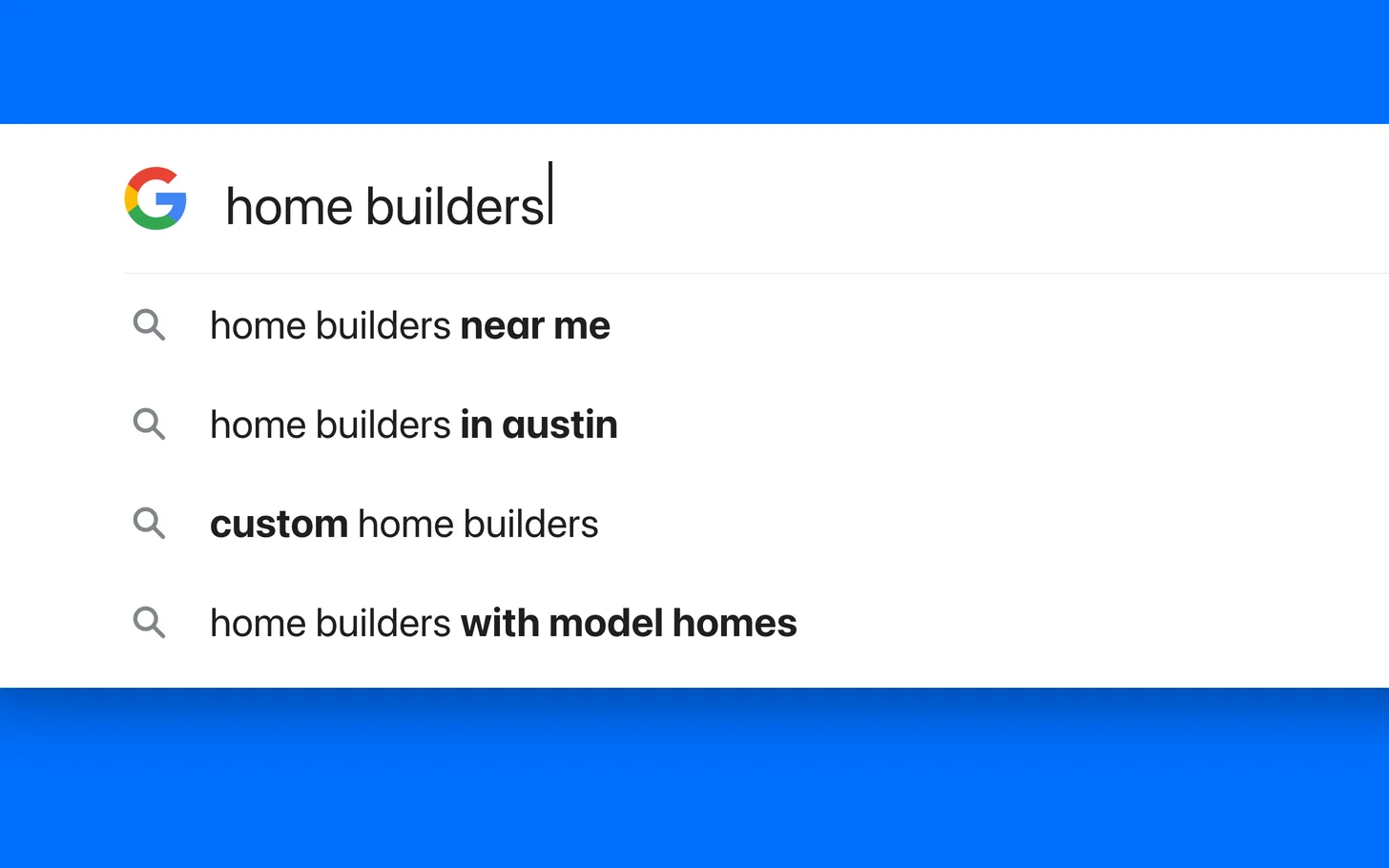
Location-specific keywords, such as "air conditioning repair in Miami," can help your website appear in local search results. Use them in your meta titles and descriptions and throughout your website content, particularly in areas that describe your services.
Impact of local SEO on search engine rankings
Local SEO helps your business rank higher in search results and increases the likelihood of conversions. Around 78% of mobile local searches end in an offline purchase, which is why local SEO carries so much weight. Optimizing your local SEO can significantly boost your online visibility, attract more local customers, and increase sales. When you use these strategies effectively, your business stands out when nearby customers search for home services and brings in more traffic that grows your customer base.
Google Local Services Ads

Google Local Services Ads (LSAs) give home services businesses a direct way to reach potential local customers. They appear at the top of Google search results, ahead of traditional pay-per-click (PPC) ads. LSAs can increase your local visibility and attract more qualified leads. They can also help grow your customer base.
How LSAs work and their benefits
With LSAs, you only pay for a lead when a potential customer contacts you directly through the ad. This pay-per-lead setup is cost-effective because your marketing budget goes toward leads that are more likely to convert. Including a "Google Guaranteed" badge with your ad builds credibility and trust with potential customers, increasing the chance they'll engage with your business.
Setting up Google Local Services Ads
To set up LSAs, your business goes through Google's verification process, including a background check and license verification. Once Google approves your business, you can set a budget and begin targeting local customers. Tailor the ad to the services you offer and the areas you serve so it reaches the most relevant audience.
Optimizing LSAs for better performance
Keep your review score high and respond promptly when customers contact you. Update your ad regularly with current information and special offers to draw more attention. Google's dashboard lets you monitor performance and adjust your approach around the leads that convert best. Those adjustments raise your return on investment.
PPC advertising for home services

Pay-per-click (PPC) advertising gives home services businesses a way to appear prominently in search engine results. You pay only when a potential customer clicks your ad. PPC is a dynamic marketing tool that's particularly effective for driving targeted traffic and generating leads quickly.
Enhancing PPC campaigns through keyword research
Successful PPC campaigns start with effective keyword research. When you identify the specific, high-intent terms potential customers use to search for home services, you can write ads that address those searches directly. Terms such as "emergency plumber in Atlanta" and "affordable roof repair near me" can attract people who are actively looking for those services.
Benefits of PPC for home services
PPC offers immediate visibility and a direct increase in traffic that are crucial for new or competitive home services markets. For air conditioning services, the average cost per lead is $55.15, and PPC gives you a measurable, cost-effective way to attract customers. Customer reviews and ratings in your ads can reach the 86% of consumers who trust online reviews and increase ad clicks and conversions.
Crafting effective ad copy and landing pages
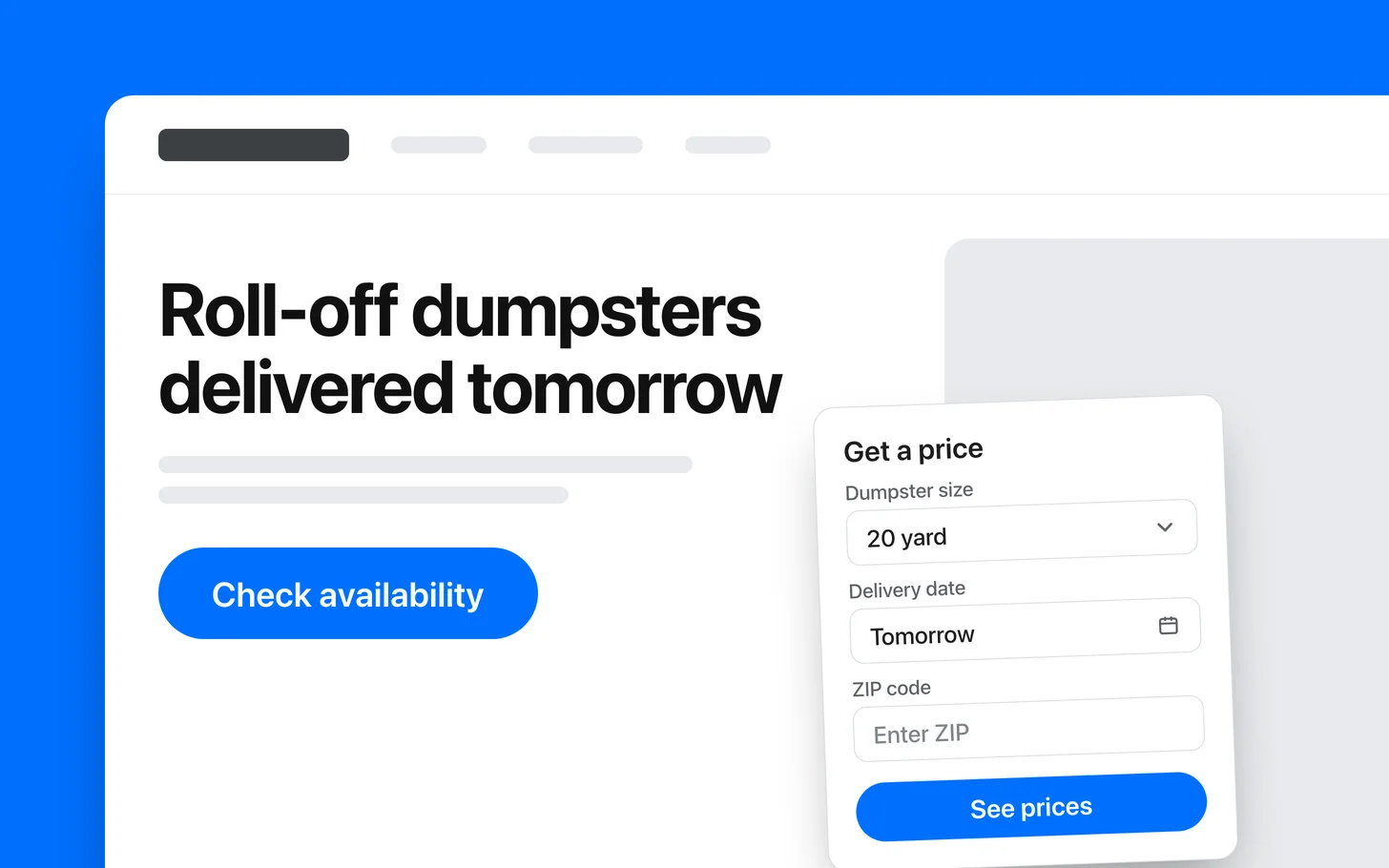
A PPC campaign depends heavily on compelling ad copy and optimized landing pages. Your ads should explain the value of your services, give people a strong call to action, and point out any unique selling points or promotions. The landing page should match the ad, be easy to use, and give visitors clear contact information and persuasive messaging designed to turn them into leads. With strategic PPC advertising, home services businesses can significantly improve their online presence, attract more qualified leads, and achieve a higher return on investment.
Social media marketing strategies

Social media gives home services businesses a direct way to connect with customers and promote their brands. With 80% of home services businesses using social media, these platforms help you reach and engage your target audience.
Choosing the right social media platforms
Facebook has more than 3 billion monthly active users and offers broad reach and tools for targeted advertising. That scale makes it a reasonable place to start with promotions and lead generation. Instagram's visual format works well for before-and-after images of your work, which build authority and trust.
Content creation for social media
Content that holds a potential customer's attention can include educational posts about home maintenance, success stories, and special offers. Shaping those posts around your audience's interests and needs can significantly increase engagement and reduce the average cost per lead. For social media ads, the average cost per lead stands at $62.80.
Boosting marketing efforts with social media ads
Together, social media content and ads can strengthen your presence on these platforms and help you attract more clients and grow your business. Social media ads can increase visibility and drive conversions. Facebook and Instagram let you target potential customers by demographics, interests, and behaviors. Those targeting options help you use your marketing budget efficiently and improve your return on investment.
Content marketing for home services
Content marketing helps home service businesses become more visible and build credibility with potential customers. It also gives those customers a reason to engage with you and can help you build lasting relationships. When you use content marketing strategically, useful and engaging content can bring more people to your website, generate leads, increase sales, and support significant business growth.
Creating valuable and engaging content
Start with the questions and concerns your audience brings to you. Educational content, how-to guides, and video tutorials are particularly effective at addressing those questions and concerns and connecting with potential customers. A plumbing service, for example, could share a video on basic sink repairs. The video teaches viewers something useful while showing that the company knows the work.
Effective types of content
Different people prefer different formats, so use a mix of content types. Blog posts give you room for detailed advice and tips, while videos let you demonstrate your services. Infographics can make complex topics, such as seasonal maintenance schedules, easier to understand. Video also tends to stay with people longer than a block of text, so consider it when there's something you want homeowners to remember.
Driving traffic and leads through content marketing
Content marketing boosts your SEO, leading to higher rankings and greater visibility. When you update content regularly and use relevant keywords, you can attract more visitors to your site and keep them engaged longer. Customer testimonials and success stories in your content can build trust and encourage people to become customers. Businesses with high ratings and reviews tend to see a 32% increase in revenue.
Email marketing best practices
Email marketing gives home services businesses a direct way to nurture leads and stay in touch with customers. Emails with maintenance tips and special offers can keep customers engaged and encourage repeat business. Email marketing can also help with retention. It can significantly affect business growth and customer satisfaction.
Building and segmenting your email list
Start by building an email list you can segment by service history, location, and engagement level. Those groups let you tailor what you send, an approach proven to increase open rates and conversions. For example, maintenance tips sent to HVAC service customers can remind them of your value and prompt repeat business.
Critical elements of an effective email campaign
An effective email campaign should include:
- Personalized Greetings: Address customers by name to increase engagement.
- Valuable Content: Give customers something useful, such as seasonal maintenance advice, special offers, or tips for improving home efficiency.
- Strong Call-to-Action: Make the next step clear and compelling in each email, whether you want customers to book a service, read a blog post, or use a special offer.
Enhancing customer retention through email marketing
Email marketing helps you build lasting customer relationships. Regular emails with useful information keep your brand in customers' minds, encourage repeat business, and increase how much customers spend with you over time. You can also include customer testimonials to build trust and inspire loyalty, as reviews are a critical decision-making factor for 82% of consumers.
Managing customer reviews and reputation

Customer reviews shape how people see your home services business. BrightLocal's Local Consumer Review Survey reports that more than 90% of consumers read online reviews before choosing a provider, so managing your online reputation is essential for attracting and retaining customers.
Collecting and managing customer reviews
Encourage satisfied customers to share their experiences online, particularly after you complete a service, when their satisfaction is highest. Make it easy for them by putting links to review platforms such as Google Business Profile and Yelp directly in your follow-up emails or texts.
Responding to reviews strategically
Respond to positive and negative reviews. A brief thank-you for a positive review acknowledges the customer's effort and reinforces their experience. When a review is negative, address the issue promptly and offer to resolve it offline if needed. This approach may preserve a customer relationship, and it shows prospective clients you're committed to customer satisfaction.
Impact of reputation management on business
Effective reputation management can significantly strengthen your business's credibility and trustworthiness. Businesses with higher star ratings and recent positive reviews tend to attract more customers. Actively managing your reviews can improve your local SEO and lift both your rankings and visibility. Prioritizing customer reviews and managing your online reputation can help you build a trustworthy brand that attracts and retains more customers and drives business growth.
New technologies in marketing
New technologies are changing marketing strategies for home services businesses. They're also improving how businesses interact with customers and deliver services.
AI chatbots enhancing customer service

AI chatbots answer customer inquiries and support requests immediately. They can handle several customer conversations at once while keeping service efficient and consistent. Businesses have been quick to bring AI into customer service, and the first gains usually show up in customer engagement and operational efficiency.
Benefits of using booking tools
Online booking tools remove the back-and-forth from scheduling for providers and customers. They reduce administrative work and scheduling errors. Customers can book services when it's convenient for them, which improves customer satisfaction. The smoother service experience can also help businesses retain customers.
Augmented reality in marketing
Augmented reality (AR) lets customers picture possible home improvements before they commit to a service. It can show how a new furniture arrangement might look or demonstrate the possible results of a home renovation. That preview is concrete enough to influence a purchasing decision.
Together, these technologies can improve operational efficiency for home services businesses and make the customer experience more engaging. That experience can keep customers informed and satisfied and set the stage for increased customer loyalty and business growth.
Data-driven decision-making in marketing
In-home services marketing, businesses can make informed decisions by studying customer behavior and market trends. Data-driven decision-making is essential for refining marketing strategies and gaining a competitive advantage.
Tracking and analyzing key performance indicators (KPIs)
To measure how well a marketing campaign is working, track key performance indicators such as click-through rates, conversion rates, and customer engagement levels. Tools like Google Analytics handle that tracking. They show you what to change in a campaign and what to keep.
Tools for gathering and interpreting marketing data
Modern marketing requires marketers to use advanced tools to gather and analyze data. Platforms such as SEMrush and HubSpot give marketers analytics for tracking website traffic, user behavior, and conversion metrics. They also provide real-time data, so marketers can adjust their campaigns quickly.
Optimizing marketing strategies through data analytics
Data analytics can help businesses improve their marketing strategies. Phone calls convert to 10-15 times more revenue than web leads. Knowing that can shift a marketer's focus toward improving calls to action aimed at getting phone calls. Analyzing data in real time also helps marketers align their strategies with customer responses and market conditions.
Home services businesses can use campaign data to make their marketing more efficient. Using these data-driven practices can help home services businesses meet their target audience's changing needs and sustain business growth.
Final thoughts on home services marketing
Consider the home services marketing strategies available to your business. Think about how you can put them to work effectively.
Key takeaways
Home services marketing strategies, from local SEO to new technologies such as AI and augmented reality, are designed to increase your visibility, engage your audience, and bring in more business. Successful marketing starts with understanding the specific needs of your target audience and addressing them in what you do.
Implementing marketing strategies
Start by reviewing your current marketing efforts and finding areas you could improve. You might work on your website's SEO, spend more time engaging on social media, or begin an email marketing campaign. Whichever steps you choose, align each one with your overall business goals.
Importance of continuous learning and adaptation
Digital marketing keeps changing. Staying informed about current trends and technologies, then adjusting your approach as you learn, helps your marketing remain effective and competitive in the home services market.
Next steps for improving your marketing
Review your marketing strategies regularly to see how well they're working and where you need to make changes. A professional marketing consultant can offer deeper insights and help you refine your plan. Keep the customer experience central to your marketing efforts to build lasting relationships and bring customers back.