

Home services SEO is a specialized branch of search engine optimization focused on improving the online visibility of local service businesses such as plumbing, HVAC, roofing, landscaping, and electrical companies. When homeowners need help, their first step is usually to search online. Whether they are using Google, Bing, or the new generation of AI-driven search results like Google’s Search Generative Experience (SGE) and Bing Copilot, your business must appear where potential customers are actively looking.
A strong SEO strategy ensures your business is visible in both traditional search results and emerging AI-powered experiences. This visibility connects you with potential customers at the exact moment they are ready to take action, resulting in more qualified website visitors, more service inquiries, and higher conversion rates across your target markets.
Simply having a website is no longer enough. With competition increasing across every home services category, ranking well requires a comprehensive approach that combines local SEO, technical optimization, content marketing, AI optimization, and strategic link building. Home service providers that invest in these areas build lasting authority, earn consistent organic traffic, and strengthen their brand presence in both standard and AI-generated search environments.
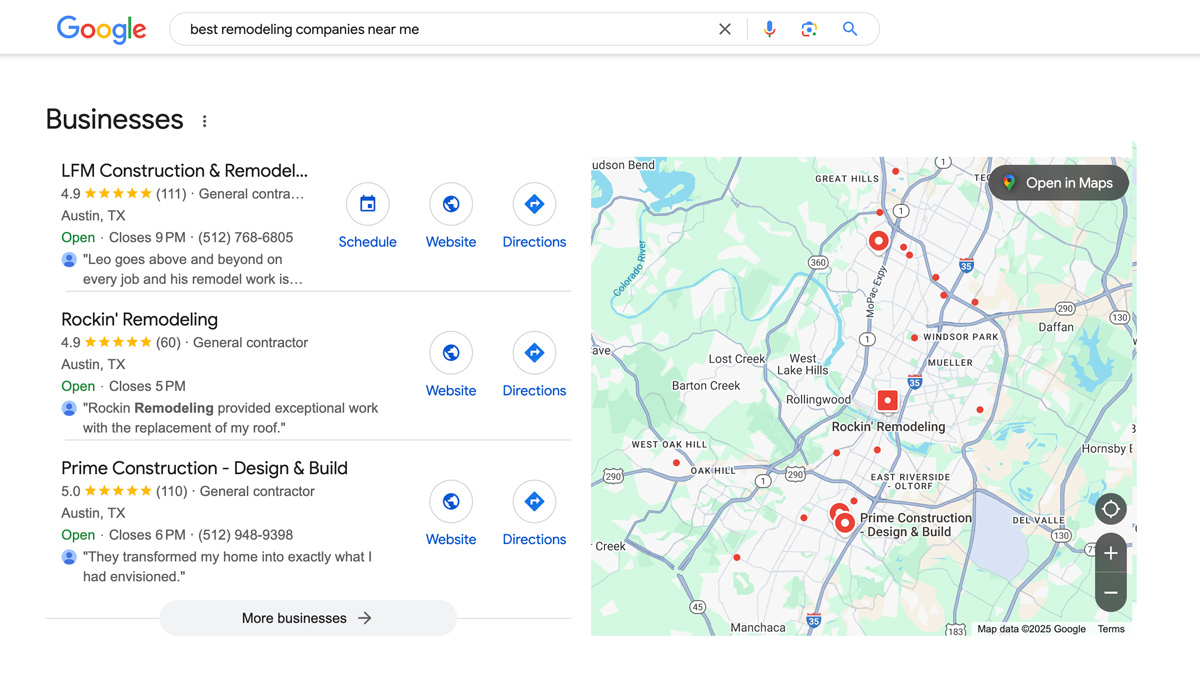
Why Home Services SEO Is Important
The home services industry is highly competitive and continues to grow, with the market projected to reach $1.2 trillion by 2026. This growth reflects the rising demand for essential services such as plumbing, HVAC repair, roofing, and landscaping. In this competitive environment, a strong online presence is no longer optional. For most homeowners, the decision to hire a service provider begins with an online search. Businesses that appear prominently in search results—both traditional and AI-driven—gain a critical advantage in visibility and lead generation.
Research shows that 97 percent of consumers use the internet to find local services, and a significant portion of those searches occur through Google Maps and other localized platforms. Today, those search journeys are expanding into AI search results, where Google’s Search Generative Experience (SGE) and similar technologies summarize recommendations directly on the results page. Businesses that have optimized their content, structured data, and local listings are more likely to be featured or referenced within these AI-generated overviews.
Failing to adapt to this new search environment means losing potential customers to competitors that invest in comprehensive SEO and AI optimization strategies. Businesses that maintain a well-structured website, accurate local listings, and valuable content stand out to both users and algorithms across all search experiences.
SEO also remains one of the most cost-effective digital marketing strategies. Organic search traffic can lower customer acquisition costs by as much as 62 percent compared to paid advertising. Unlike pay-per-click campaigns, which stop generating leads once the budget runs out, an effective SEO strategy continues to deliver long-term value. By earning strong rankings and AI search visibility, your business can maintain a steady flow of qualified leads and consistent local exposure without relying exclusively on paid channels.
Key Reasons Why Home Service Providers Should Prioritize SEO
An effective SEO strategy is one of the most powerful ways for home service providers to attract new customers and build long-term visibility online. As search behavior evolves, SEO now extends beyond traditional search results into AI-generated experiences, where Google’s Search Generative Experience (SGE) and other AI tools summarize and recommend businesses directly to users. Optimizing for both environments helps ensure that your company is visible wherever potential customers are searching.
1. Increased Online Visibility
SEO improves rankings in both traditional search results and AI-powered overviews. By optimizing your website content, metadata, and local listings, your business has a greater chance of appearing when homeowners search for services such as “emergency plumber near me” or “HVAC repair in [city].”
2. Higher Conversion Rates
Targeting keywords that reflect strong purchase intent, combined with local optimization and high-quality service content, helps attract visitors who are ready to book a service. Appearing in AI summaries and featured snippets can further shorten the path from discovery to conversion.
3. Enhanced Trust and Credibility
Customers rely heavily on reviews, testimonials, and search visibility as trust signals. A business that appears consistently across Google Maps, organic listings, and AI-generated results is perceived as more credible and reliable. Consistent NAP information, positive customer feedback, and quality backlinks strengthen that reputation.
4. Greater Control Over Local Search Presence
An optimized Google Business Profile and accurate local citations ensure that your business details are correct and visible across all major search platforms. These listings influence how your business appears not only in local packs and maps but also within AI summaries that highlight nearby service providers.
5. Competitive Advantage
Many home service companies still rely solely on paid ads or word-of-mouth referrals. Businesses that invest in SEO and AI optimization gain a measurable advantage by building sustainable visibility and reducing dependency on short-term advertising budgets. The result is a stronger, more stable lead pipeline and higher long-term return on investment.
With nearly half of all Google searches having local intent and AI search experiences rapidly shaping how results are presented, home service businesses must ensure their websites, listings, and content are fully optimized. Doing so positions them to capture high-intent traffic, convert more leads, and maintain a dominant presence across both traditional and AI-driven search environments.

Benefits of SEO for Home Service Businesses
Search engine optimization (SEO) is one of the most effective digital marketing strategies for home service companies. It delivers long-term visibility, consistent lead generation, and improved brand authority at a lower cost than paid advertising. As AI-driven search platforms like Google’s Search Generative Experience (SGE) and Bing Copilot evolve, SEO now plays a key role in ensuring your business appears not only in traditional search results but also in AI summaries and conversational responses.
Unlike pay-per-click (PPC) advertising, which stops driving results when the budget runs out, SEO continues to generate value long after initial implementation. A well-structured SEO program strengthens your website’s authority, builds trust with potential customers, and improves your presence across multiple search channels.
Key Benefits of SEO for Home Service Providers
1. Increased Organic Traffic
Most website visitors for home service businesses come through organic search. Companies that invest in SEO are significantly more likely to attract consistent, high-quality traffic from customers actively searching for their services. Optimizing for both traditional and AI-driven search environments ensures visibility across multiple touchpoints.
2. Higher Conversion Rates
Local and intent-focused SEO ensures that homeowners in your service area can easily find and contact your business. By ranking well in organic results, local packs, and AI summaries, your website reaches users who are ready to book a service, leading to more calls, form submissions, and appointments.
3. Lower Customer Acquisition Costs
Compared to traditional advertising methods like direct mail, radio, or print, SEO provides a much lower cost per lead. Organic visibility continues to generate traffic and conversions without ongoing ad spend, improving long-term return on investment.
4. Stronger Brand Authority and Trust
Businesses that consistently rank on the first page of search results—and appear in AI-driven recommendations—build credibility and authority in their market. Positive customer reviews, consistent citations, and backlinks from reputable websites further reinforce your reputation as a trusted service provider.
5. Improved User Experience
Google and AI search systems prioritize websites that offer fast load times, mobile-friendly design, secure browsing, and easy navigation. Optimizing these technical elements enhances user engagement, reduces bounce rates, and increases customer satisfaction.
A well-executed SEO strategy helps home service companies establish a strong digital foundation, attract qualified leads, and maintain long-term growth. By combining traditional SEO with AI search optimization, your business can stay visible and competitive in an increasingly dynamic search landscape.
Key Areas Covered in This Guide
To help home service businesses maximize online visibility across both traditional and AI-driven search, this guide covers the following essential SEO strategies:
-
Local SEO: Optimizing for geographically targeted searches to appear in Google Maps, local packs, and regional results.
-
Google Business Profile Optimization: Strengthening your Google Business Profile (GBP) with accurate information, relevant keywords, and frequent updates.
-
Keyword Research: Identifying the specific search terms potential customers use, including conversational and AI-style queries.
-
AI Optimization (AIO/SGE): Adapting your SEO strategy for Google’s Search Generative Experience and other AI-driven search platforms through improved structured data, content clarity, and brand authority signals.
-
On-Page SEO: Refining title tags, headers, and metadata to improve both ranking performance and click-through rates.
-
Technical SEO: Enhancing site speed, mobile responsiveness, and overall site performance to align with modern ranking factors.
-
Content Marketing: Creating high-quality content such as service pages, guides, and blogs that educate, inform, and engage potential customers.
-
Link Building: Earning authoritative backlinks from reputable websites to strengthen domain authority and improve search engine trust.
By following the strategies outlined in this guide, home service providers can enhance their online presence, attract more qualified leads, and establish a strong digital footprint in their service areas.

Understanding Local SEO for Home Services
Local SEO is one of the most important aspects of digital marketing for home service businesses. It focuses on optimizing your online presence so that your company appears in search results when customers look for services in their specific area. Unlike general SEO, which targets broad search terms, local SEO connects your business directly with nearby homeowners who are ready to hire.
For industries like plumbing, HVAC, roofing, landscaping, and electrical services, local SEO is essential. Most customers want a nearby provider they can contact quickly, and they often begin with a search such as “roof repair near me” or “plumber in [city name].” Appearing at the top of those results can be the difference between winning or losing a customer.
As AI-driven search experiences such as Google’s Search Generative Experience (SGE) evolve, local optimization becomes even more important. Google’s AI overviews increasingly reference local businesses based on their relevance, credibility, and data accuracy. Businesses that maintain complete listings, consistent local citations, and high-quality content are more likely to appear within both traditional map results and AI summaries.
Why Local SEO Matters for Home Service Companies
Studies show that 46 percent of all Google searches have local intent, and 88 percent of mobile users who perform a local search call or visit a business within 24 hours. These numbers underline how critical it is for home service companies to maintain a visible, trustworthy local presence across search platforms.
For home service providers, local SEO offers several competitive advantages:
1. Higher Local Visibility
An optimized Google Business Profile (GBP) and consistent local citations help your company appear in Google Maps, local packs, and nearby search results, ensuring you are visible to customers ready to act.
2. More Website Traffic and Calls
Strong local search rankings lead to increased website visits, quote requests, and direct phone calls from homeowners who need immediate help.
3. Competitive Differentiation
Many home service businesses still overlook local SEO, giving optimized competitors a clear advantage. Effective local strategies help your business stand out and earn more qualified leads.
4. Enhanced Trust and Credibility
Accurate business information, positive customer reviews, and consistent local signals demonstrate reliability to both search engines and customers. This builds confidence and strengthens your brand reputation.
Ignoring local SEO means missing out on high-intent customers who are actively searching for nearby service providers. By investing in this area, your business can secure more leads, outperform local competitors, and gain visibility across both standard search and AI-generated local results.
Main Components of Local SEO
A strong local SEO strategy relies on several interconnected elements that help your business appear in local search results, Google Maps, and AI-generated overviews. For home service companies, optimizing these components ensures consistent visibility when potential customers search for nearby providers.
1. Google Business Profile (GBP) Optimization
Your Google Business Profile is the cornerstone of local visibility. A complete and optimized profile increases your likelihood of appearing in Google’s Local Pack, Maps, and AI-driven summaries. Include accurate business details, operating hours, service areas, and high-quality photos. Post regular updates and respond to customer interactions to show ongoing engagement and reliability.
2. Local Citations, Mentions, and NAP Consistency
Your business name, address, and phone number (NAP) must be consistent across all directories and online platforms such as Yelp, Angi, HomeAdvisor, and industry-specific sites. These citations and unlinked brand mentions are important not only for traditional SEO but also for AI-driven ranking systems. Google’s Search Generative Experience (SGE) and other AI models reference structured and unstructured data from across the web to determine credibility. Consistent citations and positive mentions strengthen your brand’s authority signals, increasing the likelihood of being referenced in AI summaries and local search overviews.
3. Localized Content Strategy
Developing localized content helps your business demonstrate relevance to search engines and users. Create city-specific service pages, project spotlights, and blogs that address regional needs or customer questions. This type of content helps your site rank for search terms like “HVAC repair in [city]” while reinforcing your expertise within that local market.
4. Customer Reviews and Ratings
Reviews are a critical factor in both user trust and search visibility. Encourage satisfied customers to share feedback on Google and other platforms, and respond professionally to all reviews. High review volume and engagement indicate credibility, improving your placement in local search results and AI-generated recommendations.
5. Geo-Targeted Keywords
Incorporating location-based keywords in your website copy, headings, and metadata helps attract nearby customers searching for your services. Focus on intent-driven phrases such as “emergency plumber near me” or “roof repair in [city].” These long-tail, geo-specific terms are also important for appearing in AI search experiences that prioritize contextual, localized results.
6. Schema Markup for Local SEO
Implementing structured data (LocalBusiness schema) provides search engines and AI systems with clear, machine-readable information about your business, services, and contact details. Schema markup can improve your chances of being included in AI summaries, voice search results, and rich snippets.
When combined, these components form the foundation of an effective local SEO strategy. By maintaining accurate data, earning consistent mentions, and producing localized, trustworthy content, home service companies can improve rankings, attract qualified leads, and gain visibility in both traditional and AI-enhanced search environments.
Optimizing Your Google Business Profile
A well-optimized Google Business Profile (GBP) is one of the most powerful tools for improving local SEO and achieving visibility across both traditional and AI-driven search results. For home service companies, this profile serves as the digital storefront that determines how your business appears in Google Search, Maps, and increasingly, in AI-generated summaries within Google’s Search Generative Experience (SGE).
Google prioritizes businesses with accurate, detailed, and frequently updated profiles. Maintaining an optimized GBP not only improves rankings but also strengthens credibility with potential customers who rely on quick, trustworthy information when making hiring decisions.
Essential Information for a Strong Google Business Profile
A complete and well-structured GBP helps both search engines and AI models understand your business and present it confidently to users. Be sure to include the following elements:
1. Business Name, Address, and Phone Number (NAP):
Ensure your NAP information is consistent with your website and across all online directories. Inconsistent details can weaken trust signals and reduce visibility in local and AI-generated results.
2. Business Hours:
Keep your operating hours accurate and up to date, including special hours for holidays or seasonal changes. Inaccurate hours can lead to negative customer experiences and reduced credibility in AI search systems.
3. Service Area:
Clearly define your service area so that your business appears in searches from those locations. This is particularly important for home service providers that operate across multiple neighborhoods or cities.
4. Services and Categories:
Select the most relevant categories and list each service you provide. Be specific. For example, choose “HVAC Contractor” or “Plumbing Repair Service” rather than a broad term like “Contractor.” This level of detail improves your relevance for targeted searches and helps AI models understand your service focus.
5. High-Quality Photos and Videos:
Visual content increases engagement and click-through rates. Businesses with professional images receive significantly more requests for directions and website visits. Include photos of your team, vehicles, completed projects, and branded materials to help customers connect with your company.
6. Business Description:
Write a detailed, keyword-optimized business description that highlights your expertise, experience, and service areas. Use natural language and incorporate both standard and conversational phrases that reflect how users search through AI systems and voice queries.

Strategies for Enhanced Visibility
Optimization is not limited to completing the required fields. Continuous engagement and monitoring are key to maintaining strong search and AI visibility. The following best practices can significantly improve your results:
Encourage and Respond to Reviews:
Positive reviews are one of the strongest ranking factors in both local and AI-driven search. Actively request reviews from satisfied customers and respond to each one. This demonstrates reliability and improves the likelihood of being featured in AI-generated recommendations.
Post Regular Updates and Promotions:
Use the posting feature within GBP to share updates, promotions, and service announcements. Regular posting signals to Google that your business is active and trustworthy, improving both visibility and engagement.
Enable Messaging and Booking Features:
Activating direct messaging and booking options allows customers to contact you instantly. These features increase conversions and are often highlighted in AI-driven search responses for user convenience.
Monitor and Answer Questions:
Regularly review and respond to customer questions in the Q&A section. Providing clear, professional answers ensures accurate information appears in both your listing and potential AI summaries.
Track Performance with GBP Insights:
Use Google’s built-in analytics to review search queries, profile views, website clicks, and calls. This data helps refine your optimization strategy and measure visibility in both traditional and AI search contexts.
How GBP Activity Impacts AI Search Results
Google’s AI systems rely on real-time business data, structured information, and user engagement signals to determine which businesses are referenced or summarized within AI-generated overviews. Active, accurate, and highly rated GBP listings are more likely to be surfaced within these AI experiences. Inconsistencies or inactivity can limit exposure and reduce trust signals in both standard and generative search models.
An optimized and actively managed Google Business Profile strengthens local visibility, improves engagement, and increases your chances of being featured across multiple search formats, including emerging AI-powered search experiences. For home service providers, it is one of the most valuable and measurable components of a comprehensive SEO strategy.
The Impact of Customer Reviews on Local SEO
Customer reviews are one of the most influential factors in local SEO and play a growing role in how businesses are represented in AI-driven search environments. Reviews not only build consumer trust but also serve as measurable signals of quality, engagement, and relevance for search engines and AI systems. For home service companies, maintaining a steady flow of authentic, positive reviews can directly improve visibility, click-through rates, and lead generation.
Why Reviews Matter for Search and AI Visibility
Google has confirmed that reviews are a key component of its local ranking algorithm. The volume, quality, and frequency of reviews contribute to a business’s position in Google’s Local Pack, Maps, and organic results. Beyond traditional search, reviews now influence AI-generated recommendations and summaries in Google’s Search Generative Experience (SGE) and similar systems.
AI models rely heavily on reputation signals when selecting which businesses to display or mention in their generated responses. Businesses with a consistent record of verified, high-quality reviews are more likely to appear as trusted options in AI search overviews, voice search results, and other generative interfaces.
How Reviews Influence User Behavior
Customer reviews also shape perception and decision-making. Studies consistently show that consumers are more likely to contact or hire a business with a higher star rating and a substantial number of recent reviews. For home services in particular, where trust and reliability are crucial, reviews can be the deciding factor between two otherwise similar providers.
Best Practices for Managing Reviews
1. Request Reviews Proactively
Ask satisfied customers to leave feedback immediately after a completed job. Use follow-up emails, text messages, or in-person requests to encourage participation. The more recent and consistent your reviews, the stronger your trust signals will be.
2. Respond to Every Review
Reply to all reviews, both positive and negative. Thank customers for their feedback and address concerns professionally. Google’s algorithms value responsiveness as an indicator of engagement and credibility, and AI systems factor this into sentiment and quality scoring.
3. Incorporate Keywords Naturally
When appropriate, use service-related terms in your review responses, such as “Thank you for choosing us for your roof repair in Dallas.” This practice reinforces topical relevance and can improve your chances of appearing for local intent searches and AI summaries.
4. Monitor Reputation Across Platforms
Track reviews on Google, Yelp, Angi, HomeAdvisor, and Facebook. AI search systems aggregate information from multiple sources, not just Google, to assess a business’s reputation. Consistency across all platforms strengthens your authority signals.
5. Use Reviews to Inform SEO and Service Strategy
Analyze customer feedback to identify common themes, service strengths, or recurring issues. These insights can guide content creation, FAQ updates, and operational improvements that further enhance your SEO and customer experience.
The Connection Between Reviews and AI Ranking Signals
In AI-driven search environments, reviews act as validation data that helps generative models identify reliable and reputable businesses. AI systems prioritize companies with active customer engagement, transparent communication, and consistent positive sentiment across multiple data sources.
A business that maintains a steady review stream, responds promptly, and demonstrates professionalism is more likely to be referenced in AI-generated recommendations or summaries, even beyond the traditional map pack.
Google Business Profile and Local Search Rankings
A fully optimized and actively maintained Google Business Profile (GBP) plays a direct role in how well a home service company performs in local search rankings. For many local businesses, the GBP is not only a key factor in Google’s Local Pack and Maps visibility but also a primary data source for AI-generated search results, such as Google’s Search Generative Experience (SGE).
The Relationship Between GBP and Search Visibility
Google’s ranking systems rely on business data accuracy, engagement, and relevance when determining which profiles to display in search results. A complete, verified, and frequently updated GBP signals credibility to both users and algorithms. Businesses with strong engagement—regular posts, recent photos, and consistent customer reviews—tend to achieve higher visibility in the Local Pack and Google Maps.
AI search systems extend this influence by pulling structured data from verified business listings to populate conversational and generative results. This means that a well-optimized GBP can increase the likelihood of being referenced or summarized within AI search overviews, giving your business additional exposure beyond traditional listings.
Key Factors That Influence GBP Rankings
1. Profile Completeness and Accuracy
Google prioritizes business profiles that contain detailed, accurate, and up-to-date information. Missing or inconsistent data can lower visibility in both standard and AI-enhanced search results.
2. Relevance of Categories and Services
Selecting the most specific and accurate categories helps Google understand what your business offers. This improves your chances of appearing for relevant searches such as “water heater installation” or “HVAC maintenance near me.”
3. User Engagement and Activity
Posting updates, answering customer questions, and responding to reviews signal to Google that your business is active and customer-focused. These engagement metrics influence visibility and trustworthiness.
4. Review Quality and Frequency
Regular, authentic reviews improve your ranking potential and are among the most influential factors in local SEO performance. AI search systems also use aggregated sentiment data to evaluate which businesses to feature or recommend.
5. Consistent NAP and External Signals
Consistency between your GBP and external citations (such as Yelp, Angi, and HomeAdvisor) reinforces trust signals. AI-driven ranking models rely on this consistency to validate business legitimacy and reduce uncertainty.
How GBP Optimization Impacts AI Search Results
In AI-powered search environments, Google integrates GBP data—such as business descriptions, ratings, and operating hours—into AI summaries and conversational recommendations. The most complete and active profiles are more likely to be featured or cited within these AI-generated overviews.
For example, if a user searches for “best emergency plumbing service near me,” Google’s AI system may reference businesses with high review scores, clear service descriptions, and recent engagement activity drawn directly from GBP listings.
Strengthening Your GBP for Long-Term Performance
Maintaining your Google Business Profile is not a one-time task. Continuous optimization ensures sustained visibility as search algorithms and AI models evolve. Focus on:
-
Keeping business details and hours current
-
Posting updates, offers, and project highlights regularly
-
Responding to every review promptly and professionally
-
Uploading new, high-quality photos of recent work
-
Monitoring insights and engagement metrics to guide improvements
A well-managed Google Business Profile enhances visibility, improves customer trust, and increases the likelihood of being recognized in both traditional local search results and AI-generated recommendations. For home service businesses, it remains one of the most critical and controllable elements of a successful SEO strategy.
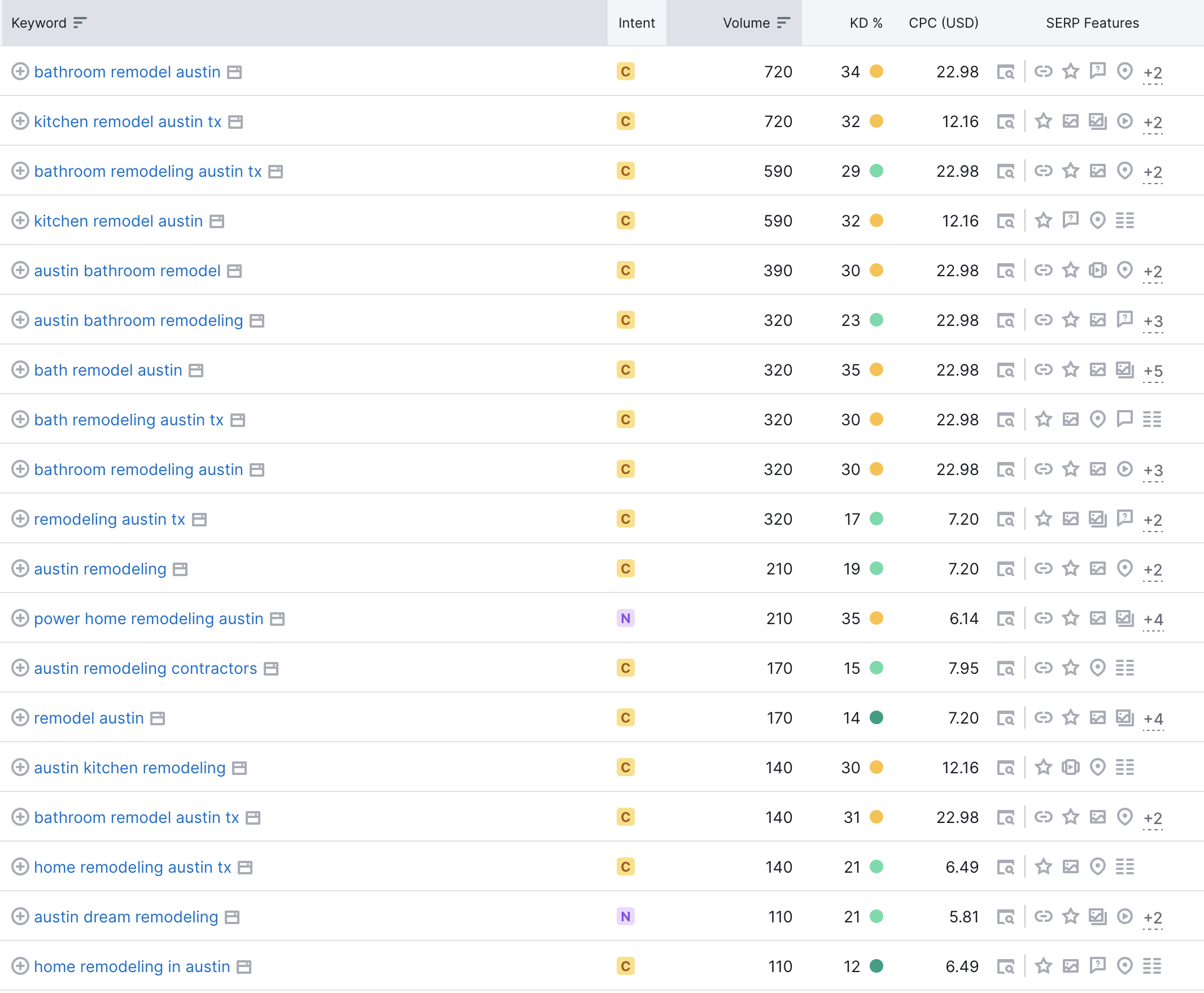
Conducting Effective Keyword Research
Keyword research is the foundation of every successful home services SEO strategy. It identifies the specific terms and phrases potential customers use when searching for service providers and ensures that your website content aligns with their intent.
In today’s evolving search landscape, keyword research must account for both traditional search behavior and AI-driven conversational queries. As Google’s Search Generative Experience (SGE), Bing Copilot, and voice assistants become more widely used, search patterns are shifting toward natural, question-based language. Businesses that adapt their keyword strategies to this new environment are more likely to appear in both conventional listings and AI-generated summaries.
Understanding Modern Keyword Intent
Search intent is now more nuanced than ever. Home service businesses should focus on three key types of intent to attract the right audience:
1. Transactional Intent
Users are ready to take action, often searching for services like “schedule water heater repair” or “book HVAC maintenance in [city].” These are high-value, conversion-focused keywords.
2. Informational Intent
Users are researching before committing, searching for questions like “how to fix a leaking pipe” or “when to replace an air conditioner.” Optimizing content around these queries helps position your business as a trusted expert and can increase visibility in AI-generated recommendations.
3. Navigational Intent
Users are looking for a specific brand or service provider, such as “Complete Plumbing Services near me.” Including branded and local variants ensures you capture customers who already recognize or have interacted with your business.
Tools for Keyword Research
Several tools can help identify valuable keywords, search volumes, and ranking opportunities. Combining multiple sources provides a more complete view of both traditional and emerging AI-influenced search behavior.
-
Google Keyword Planner: Ideal for identifying core keywords based on search volume and geographic trends.
-
Ahrefs or Semrush: Provide detailed keyword difficulty analysis, competitor insights, and content gap opportunities.
-
Google Search Console: Highlights which keywords are already driving traffic and where your website has near-ranking potential.
-
AnswerThePublic: Surfaces question-based and conversational keywords often used in AI and voice searches.
-
People Also Ask and AI Overview Results: Observing these sections within Google results reveals the phrasing and structure of AI-generated questions that can guide content creation.
The Importance of Long-Tail and Conversational Keywords
Long-tail keywords—phrases of three or more words—tend to have lower competition but higher intent. They are particularly effective for local service providers because they reflect the specific needs and language customers use when searching for help.
With the rise of AI and voice search, optimizing for conversational keywords has become essential. These include natural, full-sentence phrases like:
-
“Who is the best roofing contractor in [city]?”
-
“How quickly can I get an emergency plumber?”
-
“What is the average cost of HVAC installation near me?”
Content that mirrors this natural language style has a higher likelihood of being referenced or summarized by AI systems such as Google’s SGE.
Leveraging Competitor Keyword Insights
Analyzing competitor rankings can uncover valuable keyword opportunities. By reviewing the keywords that other local service providers rank for, you can identify gaps in your content strategy or discover high-performing terms they have missed.
-
Identify “Opportunity Keywords”: Focus on keywords where your website ranks between positions 8 and 20. These can often be improved with better on-page optimization.
-
Analyze High-Performing Pages: Review your competitors’ top-ranking content to understand which topics and structures resonate with search algorithms.
-
Track Local Trends: Pay attention to region-specific terms and seasonal searches, such as “furnace tune-up in winter” or “spring lawn care in [city].”
Integrating AI Insights into Keyword Strategy
AI-driven search relies heavily on semantic relationships—how words, entities, and context connect—rather than just exact-match keywords. This means your content should use natural language, include synonyms, and cover related topics comprehensively.
To adapt to this trend:
-
Use structured data to clarify your services and service areas.
-
Include clear, concise answers to common customer questions within your content.
-
Maintain a consistent topical focus across pages to build subject authority.
By combining traditional keyword research with conversational and AI-aware optimization, home service businesses can improve rankings, earn placement in AI-generated results, and attract higher-quality leads from every search channel.

On-Page SEO Best Practices
On-page SEO remains one of the most important components of a successful home services marketing strategy. It focuses on optimizing the elements within your website that influence how search engines and AI systems interpret, rank, and display your content.
In today’s search environment, effective on-page SEO must serve two audiences: traditional search engines that rely on structured signals and AI-driven systems such as Google’s Search Generative Experience (SGE) that evaluate content based on clarity, context, and semantic relationships. Both systems reward websites that provide useful, well-structured, and trustworthy information.
Key Elements of On-Page SEO
A high-performing web page combines technical precision with user-focused content. The following components are essential to both ranking performance and user experience:
1. Title Tags and Meta Descriptions
Your title tag is one of the strongest ranking signals on a page. Include your primary keyword and service location early in the title, such as “Emergency Plumbing Services in Austin, TX.”
Meta descriptions do not directly affect rankings but influence click-through rates by summarizing your page in search results. Write compelling, benefit-focused descriptions that incorporate secondary keywords and encourage users to visit your site.
2. Header Tags (H1, H2, H3)
Header tags provide structure and hierarchy, helping both users and search engines understand your content. The H1 tag should contain your main keyword, while H2 and H3 tags organize supporting topics. Clear, descriptive headers also improve readability and increase the likelihood of your content being pulled into AI-generated summaries.
3. Keyword Optimization and Semantic Relevance
Modern keyword optimization goes beyond repetition. Use natural language, include variations, and focus on the context around your primary terms. For example, a page targeting “HVAC repair” should also reference related phrases such as “air conditioning maintenance,” “furnace troubleshooting,” and “energy-efficient systems.” This depth of coverage helps search algorithms and AI models recognize your content as authoritative.
4. Image Optimization
Images contribute to both SEO and user engagement. Use descriptive, keyword-rich file names and alt text to help search engines and AI systems understand what each image represents. Compress files for fast load times, and use original photos of your team, vehicles, and completed projects whenever possible to strengthen authenticity.
5. Internal Linking Strategy
Linking between related pages helps search engines crawl your website efficiently and distribute authority across key service areas. For example, link from a “Water Heater Installation” page to your “Plumbing Repair” page to guide users and reinforce topical relevance. Internal linking also improves user experience and keeps visitors engaged longer.
6. URL Structure and Readability
URLs should be short, descriptive, and keyword-rich. Use simple structures such as “/services/hvac-repair-dallas” instead of generic or numerical strings. Clean URLs help both users and algorithms understand your page context.
7. Structured Data Markup
Implementing schema markup clarifies the type of business, services offered, and location details. This data supports rich results in traditional search and improves your chances of being referenced in AI summaries, voice search, and Google’s SGE outputs.
Optimizing Content for AI Search and Featured Results
AI-driven search systems prioritize clarity, structure, and direct answers. To optimize your content for these environments:
-
Include short, factual answers to common customer questions (“What is the cost of a roof inspection?”).
-
Use bullet points and concise lists that can be easily extracted for summaries or AI overviews.
-
Maintain a consistent tone and ensure each page clearly defines what problem it solves.
-
Avoid keyword stuffing or filler content; AI models favor natural, high-quality writing.
Balancing SEO and User Experience
Effective on-page SEO must balance optimization with user experience. Search algorithms and AI ranking systems measure engagement signals such as dwell time, bounce rate, and click-through behavior.
To maintain strong performance:
-
Write for people first, then refine for search intent.
-
Use clear navigation and consistent design across all pages.
-
Include strong calls to action that guide users toward the next step, such as scheduling a service or requesting a quote.
By following these on-page SEO best practices, home service businesses can create pages that perform well in traditional search results, satisfy user expectations, and earn visibility within AI-generated overviews and conversational results.
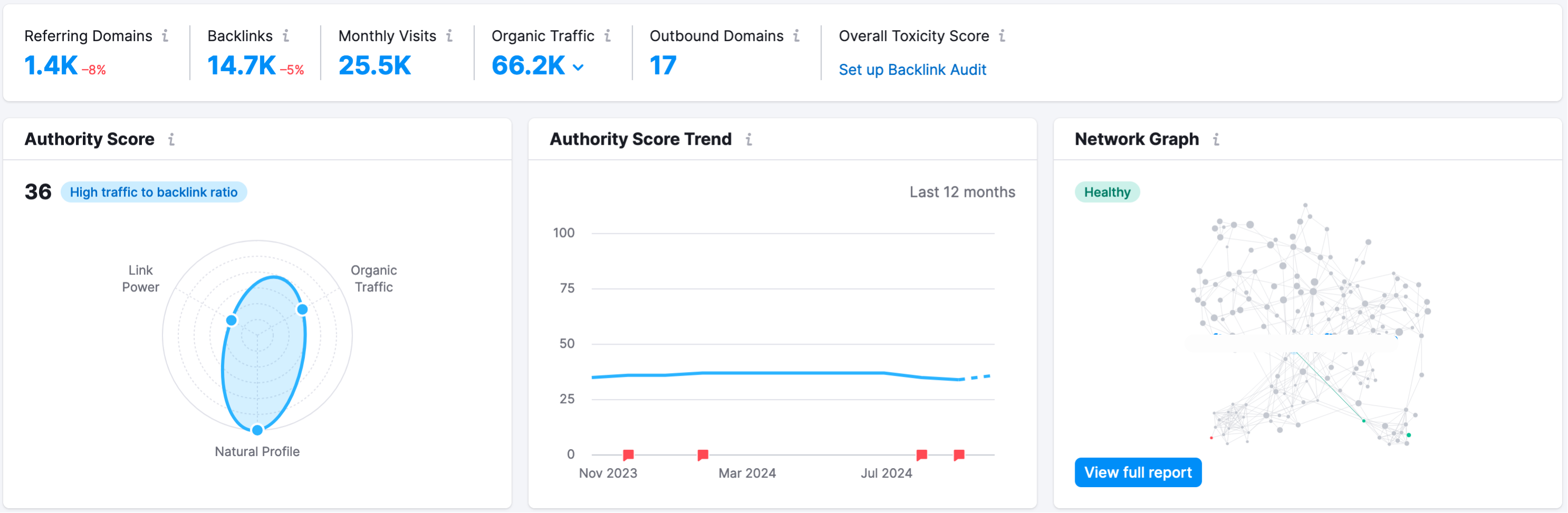
Building a Strong Backlink Profile
Backlinks remain one of the most influential ranking factors in SEO and continue to play a major role in how search engines and AI systems assess a website’s authority, trustworthiness, and relevance. For home service businesses, earning high-quality backlinks from reputable sources helps build credibility, improve rankings, and increase visibility across both traditional and AI-generated search results.
Why Backlinks Matter for SEO and AI Search
A backlink is a hyperlink from one website to another, signaling to search engines that your content is valuable and trustworthy. Google views backlinks as endorsements; the more authoritative and relevant the source, the stronger the signal.
In AI-driven search environments, backlinks and brand mentions influence how algorithms determine which businesses to feature in Search Generative Experience (SGE) results and conversational responses. AI models rely on authoritative web signals, including citations and link references, to identify credible sources of information. This means that quality backlinks not only help improve rankings in standard search results but also increase your chances of being referenced or summarized in AI-generated overviews.
Acquiring High-Quality Backlinks
Home service businesses can earn valuable backlinks through a combination of local outreach, partnerships, and high-quality content creation. The following strategies are effective and sustainable:
1. Engage with Local Businesses and Organizations
Partner with nearby suppliers, chambers of commerce, or community associations. When they link to your website on their partner pages or event listings, it strengthens your local authority and relevance.
2. Submit to Local and Industry Directories
Reputable directories such as Angi, HomeAdvisor, BBB, and Yelp provide credible backlinks that reinforce trust signals. Focus on directories with editorial oversight and strong domain authority.
3. Contribute to Local News and Media Outlets
Participating in community events, offering expert commentary, or providing home maintenance tips to local journalists can result in backlinks from respected news domains that carry significant SEO and AI credibility.
4. Publish Expert Content and Resources
Create shareable assets such as maintenance guides, seasonal checklists, or how-to articles. When other websites reference or cite this content, you naturally earn backlinks that enhance topical authority.
5. Build Relationships with Industry Blogs
Guest posting on relevant home improvement or trade websites helps establish expertise and earn links from high-quality, topic-relevant domains.
6. Sponsor Local Events or Charities
Community sponsorships often include links from event websites, nonprofit organizations, and local press releases—all valuable sources of authority and visibility.
Best Practices for Ethical Link Building
Not all backlinks have equal value, and poor-quality or manipulative tactics can harm performance. Follow these best practices to maintain a clean and effective backlink profile:
-
Prioritize Quality Over Quantity: A few authoritative backlinks from reputable domains are far more beneficial than dozens of low-quality links.
-
Avoid Link Schemes: Do not buy links or participate in reciprocal link networks, which can lead to Google penalties.
-
Monitor Your Backlink Profile: Use tools such as Ahrefs, Semrush, or Google Search Console to identify new backlinks and remove or disavow spammy links that may hurt rankings.
-
Keep Anchor Text Natural: Use descriptive, context-appropriate anchor text instead of repetitive or keyword-stuffed phrases.
-
Align Content and Link Relevance: Ensure the pages earning backlinks align closely with the topic being linked to, reinforcing thematic authority.
How Backlinks Influence AI-Generated Rankings
AI-driven search experiences, including Google’s SGE, analyze link patterns and brand mentions to assess which businesses demonstrate consistent trust signals across the web. High-quality backlinks from established publications, industry directories, and authoritative domains contribute to the underlying data that AI systems use to generate summaries and recommendations.
A home service company with strong backlink authority, consistent mentions, and positive online reputation data is more likely to be featured in AI-driven business recommendations and local summaries.
Building Sustainable Authority
Backlink building is not a one-time task but an ongoing effort that supports long-term SEO growth and visibility. Consistent, ethical link acquisition—combined with high-quality content and strong local engagement—positions your business as a trusted authority within your industry.
By focusing on relevance, credibility, and genuine partnerships, home service providers can build a durable backlink profile that improves both traditional search performance and AI visibility.

Leveraging Pay-Per-Click (PPC) Advertising
While SEO builds long-term organic visibility, pay-per-click (PPC) advertising delivers immediate exposure and lead generation. For home service businesses competing in crowded markets, combining PPC with SEO creates a balanced strategy that captures both short-term demand and sustainable growth.
Modern PPC campaigns are also evolving through AI-driven optimization, allowing businesses to reach more qualified leads at lower costs by using machine learning to refine targeting, bidding, and creative decisions in real time.
Complementing SEO with PPC
PPC advertising ensures that your business appears at the top of search results for high-value keywords, even in competitive industries where organic rankings may take time to develop. Running PPC alongside SEO offers several key benefits:
-
Immediate Visibility: Paid ads position your business in front of potential customers right when they are searching for a service.
-
Keyword Data for SEO: PPC campaigns provide valuable insight into which keywords drive conversions, helping inform your long-term organic strategy.
-
Expanded Search Presence: Appearing in both paid and organic results increases brand exposure and credibility.
-
AI-Enhanced Campaign Optimization: Platforms such as Google Ads and Microsoft Ads use AI algorithms to optimize bidding strategies, match ad copy to user intent, and improve click-through rates based on live performance data.
By running PPC and SEO together, home service providers can dominate search results, ensuring visibility in both traditional listings and AI-generated overviews.
Benefits of PPC for Home Service Businesses
A well-managed PPC campaign delivers measurable, scalable results. Key advantages include:
1. Instant Lead Generation
Unlike SEO, which takes time to build momentum, PPC campaigns generate traffic and inquiries as soon as they launch. This is especially valuable for time-sensitive services such as emergency plumbing or HVAC repair.
2. Highly Targeted Reach
AI-powered targeting tools allow advertisers to reach users based on location, search intent, demographics, and even behavioral patterns. This precision ensures that your ads reach the right customers at the right time.
3. Budget Flexibility and Control
You can set daily or monthly spending limits and adjust bids based on campaign performance. AI tools continually optimize budgets toward the highest-performing keywords and audiences, improving return on investment.
4. Data-Driven Insights
Analytics from PPC campaigns reveal which keywords, ad copies, and landing pages drive the best results. These insights can inform SEO content, service page messaging, and overall marketing strategy.
Targeting Local Audiences Effectively
Local targeting is crucial for home service businesses, and PPC offers multiple ways to reach nearby customers efficiently:
-
Geo-Targeting: Display ads to users within your specific service areas.
-
Location-Based Keywords: Bid on terms like “roof repair near me” or “best electrician in [city].”
-
Call-Only Ads: Allow mobile users to contact your business directly from the ad, increasing conversions for urgent services.
-
AI-Optimized Ad Delivery: Google’s AI now analyzes local engagement trends and user behavior to deliver ads to users most likely to convert.
Best Practices for Managing PPC Campaigns
To maximize PPC performance and integrate it effectively with your SEO efforts:
-
Write clear, benefit-focused ad copy that emphasizes trust signals, such as guarantees or same-day service.
-
Use A/B testing to compare variations of ads, headlines, and landing pages.
-
Monitor conversion rates, cost per lead, and quality scores to refine campaigns continuously.
-
Leverage negative keywords to filter out irrelevant traffic and protect your budget.
-
Integrate call tracking and form analytics to measure true lead quality.
PPC, SEO, and AI: A Unified Strategy
AI continues to blur the line between organic and paid visibility. Google’s AI systems increasingly analyze combined performance signals—such as landing page quality, user engagement, and brand consistency—across both SEO and PPC efforts. Businesses that align messaging, keyword strategy, and user experience across both channels are more likely to perform well in search and AI-generated results.
For home service providers, PPC and SEO together create a comprehensive digital presence: PPC delivers immediate lead flow, while SEO establishes lasting visibility and authority. When supported by AI optimization, this integrated strategy ensures that your business reaches more qualified customers across every stage of the search journey.

What Are Local Service Ads and How Do They Work?
Local Service Ads (LSAs) are one of Google’s most powerful advertising options for home service providers. These ads appear at the very top of search results—above standard pay-per-click (PPC) listings and organic results—and are specifically designed to connect users with verified local businesses that offer the services they need.
Unlike traditional PPC campaigns that charge per click, LSAs operate on a pay-per-lead model. Businesses are charged only when a potential customer calls, messages, or books through the ad. This structure makes LSAs highly efficient for service providers that rely on direct inquiries and local leads.
How Local Service Ads Work
When a user searches for a service such as “roof repair near me” or “emergency plumber,” Google displays a carousel of Local Service Ads featuring relevant businesses. Each listing includes the company name, rating, number of reviews, phone number, and a “Google Guaranteed” or “Google Screened” badge. These ads are powered by Google’s business verification process, which checks licensing, insurance, and background information before approval.
The Google Guarantee badge gives users added confidence that the business is trustworthy, and in some cases, Google may even refund customers if the service does not meet expectations. This level of verification helps home service providers build credibility from the moment they appear in search results.
AI and the Role of LSAs in Search Visibility
Local Service Ads now play an important role in Google’s broader AI-powered search ecosystem. Google’s Search Generative Experience (SGE) and local ranking algorithms rely on verified business data and user feedback to determine which companies to feature prominently in both ads and AI-generated overviews.
Because LSAs require verified business information, consistent customer reviews, and active engagement, they provide structured data that reinforces credibility. This verified data can also influence AI-driven recommendations and summaries that reference trusted local providers.
In practical terms, a well-optimized LSA profile increases your visibility not only in paid placements but also in AI-enhanced search environments, where Google’s generative system highlights credible, verified service options for users.
Key Benefits of Local Service Ads
1. Highest Possible Search Visibility
LSAs appear above every other search result, giving your business immediate prominence when homeowners are actively looking for a service provider.
2. Cost Efficiency and Lead Quality
Since LSAs charge per lead instead of per click, you pay only for direct interactions such as calls or messages from potential customers. Leads generated through LSAs are typically higher quality because they come from users with clear service intent.
3. Enhanced Trust Through Verification
The “Google Guaranteed” or “Google Screened” badge builds instant trust by showing that your business has passed Google’s verification checks for insurance, licensing, and reputation.
4. AI-Enhanced Performance
Google uses AI and machine learning to optimize ad placement and lead matching, helping ensure your ads are shown to users most likely to convert. AI also considers proximity, review quality, and responsiveness to determine which LSAs appear most frequently.
5. Flexibility and Control
You can pause, adjust, or expand your LSAs at any time based on business capacity and budget. Google’s dashboard provides detailed analytics on call volume, lead sources, and cost per lead, helping you refine your ad strategy continuously.
Optimizing Local Service Ads for Maximum ROI
To get the most from your LSA campaigns, follow these best practices:
-
Complete every field in your business profile and keep details up to date.
-
Maintain consistent NAP (name, address, phone number) information across all platforms.
-
Actively request and respond to Google reviews to strengthen your reputation score.
-
Track lead quality and adjust your targeting or service categories as needed.
-
Respond quickly to inquiries, as Google’s AI prioritizes businesses with high responsiveness rates.
LSAs, SEO, and AI: A Unified Local Strategy
Local Service Ads should not replace SEO or PPC, but rather complement them. Together, these strategies create a comprehensive visibility model:
-
LSAs capture immediate, high-intent leads.
-
PPC expands reach and drives targeted paid traffic.
-
SEO and AI optimization build lasting organic authority and brand visibility.
By combining verified LSAs with ongoing SEO and AI search optimization, home service businesses can dominate local search results, establish stronger trust with customers, and ensure consistent visibility across all major search experiences.

Monitoring and Measuring SEO Performance
A successful SEO strategy is not static. It requires continuous measurement, analysis, and refinement. For home service businesses, monitoring performance is essential to ensure that your SEO efforts continue to align with business goals, market trends, and the evolving search landscape.
Today, SEO performance tracking extends beyond traditional analytics. AI-powered insights and automation tools now play a key role in identifying opportunities, detecting issues, and predicting trends before they affect rankings or lead generation.
Why Ongoing Monitoring Matters
Search algorithms, user behavior, and competitive dynamics change frequently. Without consistent tracking, even a well-optimized website can lose visibility or fail to capitalize on new opportunities. Regular monitoring helps you:
-
Measure the effectiveness of your SEO campaigns.
-
Identify strengths and weaknesses in your content and site structure.
-
Detect technical or ranking issues early.
-
Refine your keyword and content strategies based on real-world performance data.
Continuous measurement also ensures your business remains competitive as Google’s Search Generative Experience (SGE) and other AI-driven search systems evolve. These systems use engagement, trust, and content relevance metrics that go beyond traditional keyword rankings.
Essential Tools for Tracking SEO Performance
Several platforms provide actionable insights into website performance, user behavior, and keyword trends. The most effective strategies combine both manual review and AI-enhanced analytics for a complete picture.
1. Google Analytics 4 (GA4)
Tracks organic traffic, conversion paths, engagement time, and user behavior. GA4’s event-based tracking model helps identify which actions lead to calls, form fills, or bookings—essential data for home service businesses.
2. Google Search Console
Monitors keyword performance, click-through rates, indexing issues, and mobile usability. Search Console also identifies which search queries trigger your site and highlights opportunities to improve visibility.
3. Semrush and Ahrefs
Provide in-depth reports on backlinks, keyword rankings, domain authority, and competitor performance. Their AI-driven features identify content gaps and emerging keyword trends.
4. Google Business Profile Insights
Offers valuable data on local visibility, including how users find your listing, what actions they take, and how often your profile appears in map and search results.
5. AI-Powered Reporting Tools
Modern platforms such as SurferSEO, BrightEdge, and Clearscope leverage AI to analyze search intent, topical relevance, and content performance across both traditional and AI-driven search results. These tools help align your content strategy with real-time algorithmic behavior.
Key SEO Performance Metrics to Track
To evaluate success effectively, focus on metrics that reflect both visibility and business outcomes:
-
Organic Traffic Growth: Indicates how well your site attracts visitors from search engines.
-
Keyword Rankings: Tracks your position for target search terms in both organic and AI results.
-
Conversion Rates: Measures how many visitors become leads through calls, forms, or bookings.
-
Click-Through Rates (CTR): Shows how compelling your titles and meta descriptions are in search results.
-
Bounce Rate and Engagement Time: Reflects content relevance and user satisfaction.
-
Local Pack Visibility: Measures how frequently your business appears in Google’s map results and AI local summaries.
-
Lead Quality and Cost per Acquisition: Helps evaluate ROI by comparing organic performance to paid channels.
Using AI to Predict and Improve Performance
AI is transforming how marketers analyze and respond to SEO data. Predictive analytics can forecast keyword trends, detect ranking shifts, and highlight content opportunities before they become visible in traditional reporting. For home service businesses, this means more efficient marketing decisions and faster response times to changes in search visibility.
AI-driven reporting platforms can also automate repetitive tasks such as rank tracking, competitor analysis, and content performance alerts. These insights allow you to focus on strategy rather than manual data collection.
Creating a Continuous Improvement Cycle
Monitoring SEO performance is not only about collecting data—it’s about turning insights into action. Establish a regular review process that includes:
-
Monthly KPI Tracking: Review ranking trends, leads, and engagement metrics.
-
Quarterly SEO Audits: Identify technical issues, content gaps, and opportunities for optimization.
-
Competitor Benchmarking: Compare your visibility and content strategy to local competitors.
-
Annual Strategic Review: Adjust goals and budget allocations based on market trends and algorithm updates.
A structured, data-informed approach ensures your SEO strategy remains agile, measurable, and aligned with both business objectives and evolving AI search technologies.
Measuring Success in SEO
Tracking the success of an SEO campaign involves more than watching rankings rise or fall. For home service businesses, meaningful SEO measurement connects search visibility to tangible business outcomes such as phone calls, service requests, and booked appointments.
In the era of AI-enhanced search and analytics, success is also defined by how well your business is represented within conversational and generative search results. AI models such as Google’s Search Generative Experience (SGE) increasingly prioritize signals like authority, engagement, and user trust rather than just keyword density or backlinks.
Core Key Performance Indicators (KPIs)
To evaluate your SEO performance effectively, focus on KPIs that reflect visibility, engagement, and conversion impact.
1. Organic Traffic Growth
Organic traffic remains the clearest indicator of SEO success. Track both total organic sessions and the proportion of traffic from local search queries, voice searches, and AI-generated referrals.
2. Keyword Rankings
Monitor your performance for high-value, location-specific keywords. Rankings are still relevant but should be viewed in context with engagement metrics and conversions, not in isolation. Many AI search platforms now surface content dynamically, so visibility in SGE or voice search may not correspond to a traditional rank position.
3. Conversion Rate
Measure how many website visitors complete an action, such as calling, submitting a form, or scheduling a service. Conversions demonstrate how effectively SEO traffic translates into revenue. Use conversion tracking in Google Analytics 4 (GA4) to attribute leads accurately.
4. Click-Through Rate (CTR)
A higher CTR signals that your page titles and meta descriptions are relevant and compelling. Monitor CTR in both standard search results and AI summaries, where placement and format may differ.
5. Bounce Rate and Engagement Metrics
High bounce rates or short engagement times can indicate mismatched content or poor user experience. These behavioral metrics are also used by AI models to assess content quality and relevance.
6. Local Pack and Map Visibility
For home service businesses, presence in Google’s Local Pack and Maps listings is critical. Track how frequently your business appears for relevant local searches and how users interact with your Google Business Profile (GBP).
7. Review Volume and Sentiment
Customer reviews have a measurable impact on both local rankings and AI-based recommendations. Track not only the number of new reviews but also average ratings and sentiment trends.
8. Leads and Cost per Acquisition (CPA)
SEO should ultimately drive qualified leads at a lower cost than paid channels. Comparing CPA between SEO and PPC campaigns helps quantify the long-term value of organic growth.
Measuring Success in AI Search Visibility
As search engines continue to integrate AI-generated results, visibility within these new environments has become a key performance indicator. Success in AI search is measured by how frequently and accurately your business is mentioned or referenced in generative responses.
To evaluate AI search performance:
-
Track branded and unbranded mentions in AI summaries using emerging analytics tools such as SEOClarity’s AI Visibility Index or Similarweb’s SGE Insights.
-
Monitor shifts in search impression share across AI-enabled interfaces, voice search, and chat-style results.
-
Observe changes in traffic behavior following updates to AI-generated search experiences, which can indicate indirect referral value.
Beyond Metrics: Interpreting Meaningful Results
SEO success should always tie back to business growth. Strong rankings and high visibility matter only when they lead to measurable engagement and new customers. Use performance data to answer these questions:
-
Are we attracting the right type of customers?
-
Are conversions increasing along with traffic?
-
Are leads improving in quality and consistency?
-
Is our visibility growing across both traditional and AI search experiences?
By connecting analytics to business outcomes, you can identify which strategies deliver the best return and where to reinvest for continued growth.
The Role of AI in SEO Measurement
AI analytics platforms increasingly automate reporting and trend detection. Predictive models can identify emerging keyword opportunities, flag technical issues, and even estimate the potential ROI of optimization changes. For home service businesses, this means more precise and actionable insights, allowing you to adjust strategies proactively rather than reactively.
AI-powered tools also make it easier to visualize complex data. Instead of manually comparing dozens of metrics, AI dashboards summarize key performance insights and highlight areas for improvement—helping business owners make confident, data-driven decisions.
Importance of Regular SEO Audits
An SEO audit is the foundation of ongoing optimization. For home service businesses, conducting regular audits ensures that your website, content, and local profiles remain aligned with current best practices, search algorithms, and user behavior trends.
Search environments evolve constantly. Google updates its algorithms thousands of times per year, and AI-driven search experiences like the Search Generative Experience (SGE) are redefining how visibility is determined. Regular SEO audits help you stay proactive—identifying opportunities and addressing technical, structural, or content issues before they impact rankings or lead generation.
Why SEO Audits Are Essential
Without consistent evaluation, even well-performing websites can develop issues that reduce visibility and hinder performance. Regular audits help you:
-
Detect technical errors that affect indexing or mobile usability.
-
Evaluate on-page elements for keyword optimization, readability, and engagement.
-
Review local SEO performance, including Google Business Profile consistency and citation accuracy.
-
Analyze backlink quality to identify harmful or low-value links.
-
Assess whether your content aligns with current search intent and AI-generated result patterns.
-
Benchmark your performance against competitors and market trends.
Routine audits transform SEO from a one-time project into a continuous improvement process, ensuring your business maintains steady organic growth.
Core Areas Covered in an SEO Audit
A comprehensive audit should evaluate both technical and content-focused factors that influence visibility across traditional and AI-enhanced search systems.
1. Technical SEO Health
Check for crawlability, indexation issues, broken links, duplicate content, and slow page speed. Use tools such as Screaming Frog, Semrush Site Audit, or Google Search Console to identify and resolve issues quickly. Ensure that your website is mobile-friendly and secure (HTTPS), as both are key ranking factors.
2. On-Page Optimization Review
Audit your title tags, headers, meta descriptions, and content structure to confirm that each page targets relevant keywords and meets user intent. Pages should also include clear calls to action and readable formatting for both users and AI systems that analyze content contextually.
3. Local SEO and Business Listings
Verify the accuracy of your Google Business Profile (GBP), citations, and NAP data across all platforms. Inconsistencies can confuse search engines and lower local rankings. Check reviews and Q&A activity, as these directly affect local and AI-driven visibility.
4. Backlink and Brand Authority Analysis
Use tools like Ahrefs or Majestic to analyze your backlink profile. Identify toxic or irrelevant links to disavow, and track new backlinks to evaluate growth in authority. AI and search algorithms value reputation and external validation, making consistent link quality checks essential.
5. Content Quality and Relevance
Audit your content to ensure it remains current, accurate, and valuable. Look for opportunities to expand service pages, update statistics, or add FAQs that align with conversational AI queries. Remove or consolidate outdated or duplicate content to strengthen topical authority.
6. Schema and Structured Data Validation
Verify that your site uses proper schema markup to help search engines and AI systems interpret business details correctly. Use Google’s Rich Results Test or Schema.org validator to ensure all structured data is implemented and error-free.
Using AI and Automation in SEO Audits
AI-powered auditing tools now make it possible to analyze websites at scale with greater accuracy and efficiency. Platforms such as SurferSEO, Alli AI, and BrightEdge use machine learning to detect ranking anomalies, identify optimization gaps, and provide actionable recommendations.
AI auditing can also:
-
Predict potential ranking issues based on recent algorithm updates.
-
Evaluate how content aligns with semantic search and AI-generated summaries.
-
Identify emerging competitors or new keyword opportunities in your service area.
-
Automate reports and prioritize tasks based on business impact.
For home service companies managing multiple locations or service categories, AI-assisted auditing saves time and ensures consistency across all digital assets.
Audit Frequency and Best Practices
-
Quarterly Audits: Review technical health, backlinks, and on-page performance.
-
Monthly Mini Audits: Track keyword performance, traffic trends, and Google Business Profile insights.
-
Annual Comprehensive Audit: Perform a deep review of all SEO factors, including content strategy, conversion rates, and user experience metrics.
Regular SEO audits help maintain search visibility, improve technical efficiency, and ensure your business adapts to new algorithm and AI developments. In a competitive industry like home services, consistent auditing is not optional—it is essential for staying visible, relevant, and ahead of competitors.
Enhancing User Experience (UX) for Better SEO
User experience (UX) plays a crucial role in search engine rankings, as Google prioritizes websites that offer seamless navigation, fast loading speeds, and mobile-friendly designs. A well-optimized UX not only improves engagement but also increases conversion rates by keeping visitors on-site longer.
Critical Elements of a User-Friendly Website
A website designed with user experience in mind enhances both SEO and customer satisfaction. Key elements include:
- Clear Navigation: A well-structured menu and intuitive site layout help users find information quickly.
- Fast Loading Times: Sites that load within 5 seconds experience 70% longer average sessions and lower bounce rates.
- Mobile Responsiveness: Google’s mobile-first indexing prioritizes mobile-friendly websites in search rankings.
- Readable Content Layout: Breaking content into sections with headings, bullet points, and visuals improves readability.
- Secure Browsing (HTTPS): An SSL-secured website improves trust and is a ranking factor for Google.
Improving Website Navigation and Usability
Optimized site navigation ensures visitors can easily explore pages and access important information:
- Use a simple, logical menu structure to help users locate services and contact information.
- Include strong calls-to-action (CTAs) that guide visitors toward booking a service or calling for a quote.
- Implement an internal linking strategy to connect related content and keep users engaged.
- Avoid intrusive pop-ups that disrupt the user experience and may lead to higher bounce rates.
Enhancing User Experience (UX) for Better SEO
User experience (UX) is now a critical ranking and conversion factor in search optimization. Google and other search engines increasingly measure how visitors interact with a website to determine its overall quality and relevance. A fast, intuitive, and well-structured site keeps users engaged longer—and engagement metrics are key signals used in both traditional algorithms and AI-driven systems like Google’s Search Generative Experience (SGE).
For home service businesses, UX directly impacts whether potential customers stay on your site long enough to request a quote, schedule an appointment, or make contact. Optimizing for a seamless experience helps improve both your search visibility and your conversion rates.
Why UX Matters for SEO and AI Search
Search engines and AI ranking models analyze behavioral signals such as dwell time, bounce rate, click depth, and engagement patterns to evaluate content quality. A positive user experience tells these systems that your website effectively meets user intent.
Google’s AI systems also assess how efficiently a site delivers information—rewarding pages that load quickly, display properly on mobile devices, and clearly answer user questions. In SGE and voice-based searches, content that is well-structured, scannable, and easy to interpret is more likely to be summarized or recommended.
Core Elements of a User-Friendly Website
1. Fast Loading Speed
Page speed directly affects user satisfaction and ranking performance. Even a one-second delay can increase bounce rates and lower conversions. Use tools like Google PageSpeed Insights or GTmetrix to monitor performance, compress images, and reduce unnecessary scripts.
2. Mobile Responsiveness
Over 60 percent of local service searches now happen on mobile devices. A responsive design ensures that your website displays correctly on any screen size, improving both usability and search performance under Google’s mobile-first indexing policy.
3. Clear Navigation Structure
Organize your site so users can easily find the information they need. Logical menus, clear service categories, and consistent page hierarchies make navigation intuitive. Search engines also rely on structured navigation to understand content relationships and relevance.
4. Readable and Accessible Content
Content should be easy to scan, written at an appropriate reading level, and formatted with descriptive headings, bullet points, and concise paragraphs. Use descriptive alt text for images to improve accessibility and help AI systems understand visual context.
5. Secure and Trustworthy Design
Websites using HTTPS and clear privacy policies build user confidence. Including visible trust signals such as certifications, verified badges, and customer reviews enhances credibility and supports higher conversion rates.
6. Strong Calls to Action (CTAs)
Guide visitors toward the next step with clear CTAs such as “Schedule Service,” “Request an Estimate,” or “Call Now.” CTAs placed strategically throughout the site help turn traffic into qualified leads.
How UX Influences AI-Driven Visibility
In AI search environments, user experience plays a direct role in determining which sites are surfaced in summaries and generative responses. Google’s AI models favor sites that provide concise, structured information with clear intent. Websites that users engage with longer—and return to more frequently—are perceived as more authoritative and useful.
AI also evaluates Core Web Vitals such as Largest Contentful Paint (LCP), Interaction to Next Paint (INP), and Cumulative Layout Shift (CLS) as signals of performance quality. Meeting or exceeding these benchmarks strengthens your eligibility for visibility in AI-driven features, including rich snippets and SGE results.
Improving Navigation and On-Site Engagement
Enhancing usability not only benefits search performance but also supports lead generation.
Practical improvements include:
-
Streamlining menus to highlight high-value service pages.
-
Adding internal links between related topics (for example, connecting “Drain Cleaning” and “Emergency Plumbing”).
-
Incorporating sticky contact buttons or chat features for fast user engagement.
-
Avoiding intrusive pop-ups or full-screen overlays that disrupt the browsing experience.
These enhancements keep users engaged longer and signal to search engines that your site delivers value.
Creating a Seamless Experience Across Devices
Consistency is key. Whether visitors find your business through a desktop search, mobile AI summary, or voice assistant, the experience should feel uniform.
Ensure that:
-
Contact options are always visible and easy to use.
-
Forms are short and mobile-friendly.
-
Service area details and trust indicators appear consistently on every page.
A cohesive, user-first website creates a strong impression for both customers and search systems.
The Link Between UX, SEO, and Conversions
Good UX bridges the gap between search visibility and business performance. A website that is fast, intuitive, and informative increases user trust, keeps visitors engaged, and converts more effectively. Search engines and AI systems reward these same qualities with stronger rankings and enhanced visibility.
By prioritizing user experience alongside SEO fundamentals, home service businesses can improve both customer satisfaction and long-term search performance—building a site that attracts, retains, and converts high-quality leads across every channel.
How to Choose a Home Services SEO Company
Choosing the right SEO partner is one of the most important marketing decisions a home service business can make. The right agency does more than improve rankings—it drives measurable results that impact revenue, lead flow, and long-term market visibility.
In today’s environment, success depends on finding a partner that understands both traditional SEO and AI-driven search optimization (AIO). Google’s Search Generative Experience (SGE) and other AI-based search systems have changed how customers discover and evaluate service providers. Your agency must be equipped to help your business perform across every layer of search visibility, from map results to AI summaries.
What to Look for in an SEO Agency
1. Proven Experience in the Home Services Industry
Work with an agency that has hands-on experience with home service companies such as plumbers, HVAC contractors, roofers, electricians, or landscapers. Industry familiarity matters—it shortens the learning curve and ensures the strategy reflects how homeowners search, compare, and hire local providers.
2. Demonstrated Results and Case Studies
Any credible SEO company should be able to show real, data-backed success stories. Ask for case studies that include before-and-after metrics for rankings, organic traffic, and lead generation. Look for examples that align with your business model and service areas.
3. Commitment to Results and Risk Management
Partner with an agency that prioritizes measurable performance and transparency over vague promises. The right firm will set clear expectations, use a defined methodology, and manage ranking risk intelligently.
Expect your SEO company to:
-
Set measurable KPIs such as organic leads per month, cost per acquisition, or Google Business Profile visibility.
-
Provide verifiable case studies or performance data.
-
Explain its methodology and how it mitigates algorithmic risk or ranking volatility.
-
Deliver ongoing optimization and monthly reporting tied directly to business outcomes.
-
Customize its strategy to your specific goals, markets, and service capacity.
This approach ensures accountability while allowing your agency flexibility in execution. The focus remains on outcomes—lead generation, revenue growth, and sustained visibility—not on how those results are achieved.
4. Transparent Reporting and Communication
SEO is an ongoing process that relies on data and consistent communication. Choose a partner that delivers clear monthly reports outlining keyword performance, traffic trends, conversions, and ROI metrics. You should know what’s working, what’s being tested, and what’s coming next.
5. Local SEO and Google Business Profile Expertise
For home service businesses, local search visibility is everything. Your agency should have deep expertise in optimizing Google Business Profiles, building and managing citations, and improving rankings in Google Maps and the Local Pack. They should also monitor and respond to reviews, ensuring your reputation supports your rankings.
6. AI Search and Data-Driven Optimization Skills
As AI search continues to evolve, your agency must understand how to optimize for conversational queries, structured data, and SGE visibility. The best agencies use AI-powered tools for keyword discovery, predictive analytics, and content optimization to keep your business visible in both standard and generative search results.
7. Customized Strategy, Not Templates
Avoid agencies that offer cookie-cutter SEO packages. Every home service company has unique needs based on service mix, target markets, and seasonal trends. The right agency will perform a full audit, assess competitive positioning, and design a tailored plan that delivers measurable business impact.
Questions to Ask Before Hiring an Agency
-
What specific KPIs will you track, and how are they tied to revenue goals?
-
How do you measure success in both organic and AI search visibility?
-
Can you show case studies or references from similar home service businesses?
-
What tools or data sources do you use to monitor rankings and conversions?
-
How do you manage risk from algorithm updates or ranking fluctuations?
-
What kind of reporting and communication cadence can I expect?
-
How will you ensure lead quality aligns with my business goals?
Red Flags to Avoid
Be cautious of agencies that:
-
Promise guaranteed rankings or instant results.
-
Refuse to explain their strategy or provide performance reports.
-
Deliver generic, automated reports with no actionable insights.
-
Lack transparency about their methods or pricing structure.
-
Are unwilling to link fees or KPIs to measurable business performance.
Building a Long-Term Partnership
The best SEO relationships are based on accountability, trust, and measurable progress. Treat your SEO provider as a strategic partner, not a vendor. Regular communication, data transparency, and shared performance goals create alignment between your marketing investment and actual business growth.
An experienced, results-driven SEO partner with expertise in both local optimization and AI search readiness can help your home service business dominate search results, generate consistent leads, and build a durable online presence that continues to perform year after year.

Final Thoughts and Next Steps
SEO for home service businesses has never been more competitive—or more rewarding for those who get it right. Success today depends on balancing the proven fundamentals of search optimization with the adaptability required to perform in AI-driven environments like Google’s Search Generative Experience (SGE).
A strong strategy now extends beyond keyword targeting and backlinks. It includes optimizing for context, credibility, and structured data—the very signals that help AI systems recognize your business as the best local solution.
Key Takeaways
-
Local visibility drives growth. For most home service providers, the majority of leads come from local and map-based searches. Your Google Business Profile, citations, and reviews must be accurate and consistently optimized.
-
AI optimization (AIO) is now part of SEO. As generative search expands, businesses that structure content clearly, maintain trustworthy citations, and earn high-quality mentions will have greater visibility in AI summaries and voice-based queries.
-
Content still wins. Educational, service-oriented content continues to attract and convert customers. Use content to answer real questions, build authority, and align with evolving search intent.
-
Technical performance matters. Fast load times, mobile responsiveness, and proper schema markup improve rankings, user engagement, and AI readability.
-
Data is the advantage. Continuous tracking, auditing, and optimization are what separate leading companies from the rest. Use analytics and AI insights to adapt your strategy before the market shifts.
Next Steps for Home Service Businesses
-
Audit your current SEO performance. Evaluate site health, rankings, lead volume, and conversion paths. Identify what’s driving results and what needs improvement.
-
Update your Google Business Profile. Confirm all details, upload new photos, and encourage reviews to strengthen local credibility.
-
Evaluate your content strategy. Ensure your site addresses the full customer journey—from problem awareness to service selection.
-
Incorporate AI optimization. Add structured data, refine internal linking, and maintain consistent brand mentions across authoritative platforms.
-
Measure, learn, and adapt. Review SEO metrics monthly, and adjust based on user behavior and algorithm updates.
The Long-Term Value of SEO
SEO is not a campaign—it’s an asset. Every optimization strengthens your online foundation, increasing visibility, reducing acquisition costs, and building sustainable lead flow. In a market where competition and algorithms constantly evolve, ongoing SEO provides the stability and momentum that paid channels cannot replicate.
By combining proven search fundamentals with AI-informed strategy, home service companies can position themselves at the center of their market—visible, credible, and ready for the future of search.